

Top 10 Souvenirs from the French Riviera

Ronelle Prickett • February 17, 2026

Share this article

France’s legendary Côte d’Azur has long been a fabled coastline of sunshine, glamour, and the good life in true French and Mediterranean style. It’s irresistible! And of course, you’re going to want to bring some of it home as gifts or ways to re-live your vacation in one of the original chic holiday destinations. 

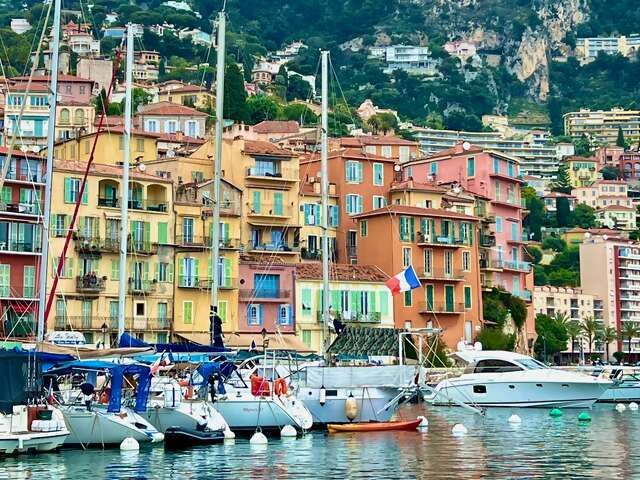
From pastel fishing villages to seaside promenades, Roman roads to Provencal markets, yacht harbors to turreted castles and maritime forts, the French Riviera landscapes blend sea, sun, herbs, vines and stone. 

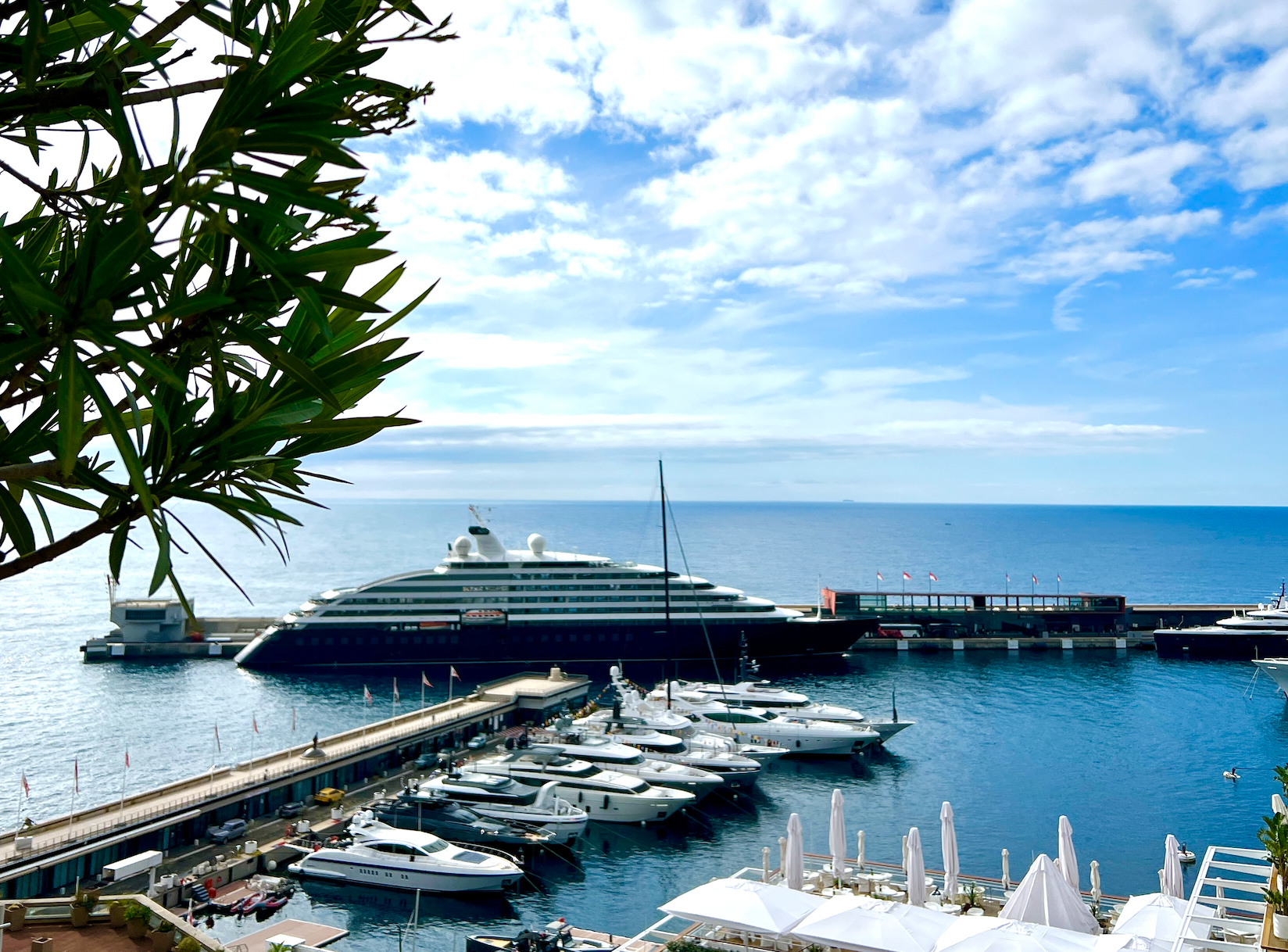
We cruised in true French Riviera fashion aboard the luxury yacht Scenic Eclipse during the exquisite early summer months, gliding into historic ports alongside private yachts in truly authentic Côte d’Azur style.

Scenic Eclipse in good company among other yachts in port in Monte Carlo

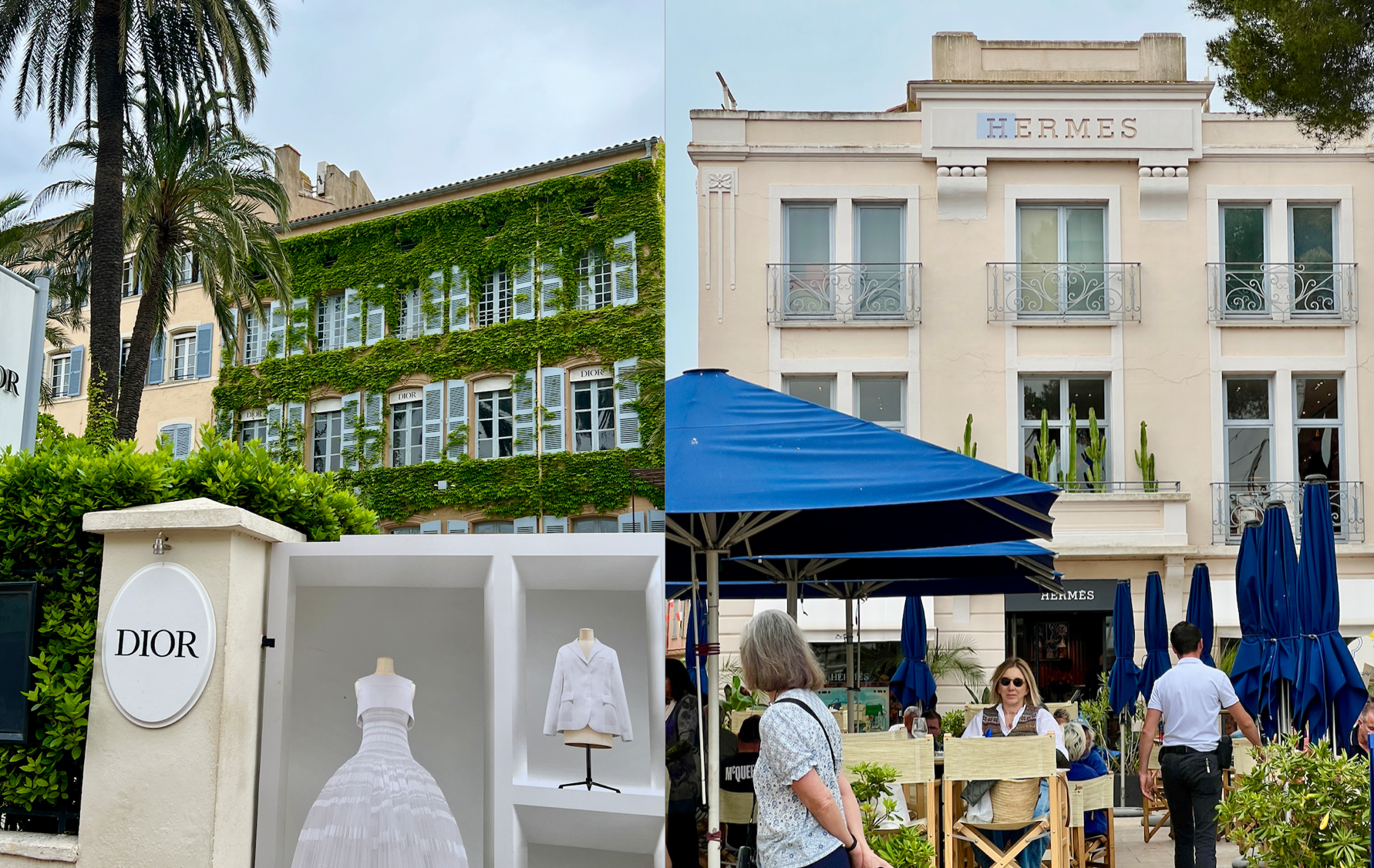
French fashion houses in Saint Tropez

’m a big fan of experiences over ‘stuff,’ so my souvenir list is heavy on things you can use, consume… and share as you break bread with those you cherish, not things that you’ll have to dust! 

Olive Oil 

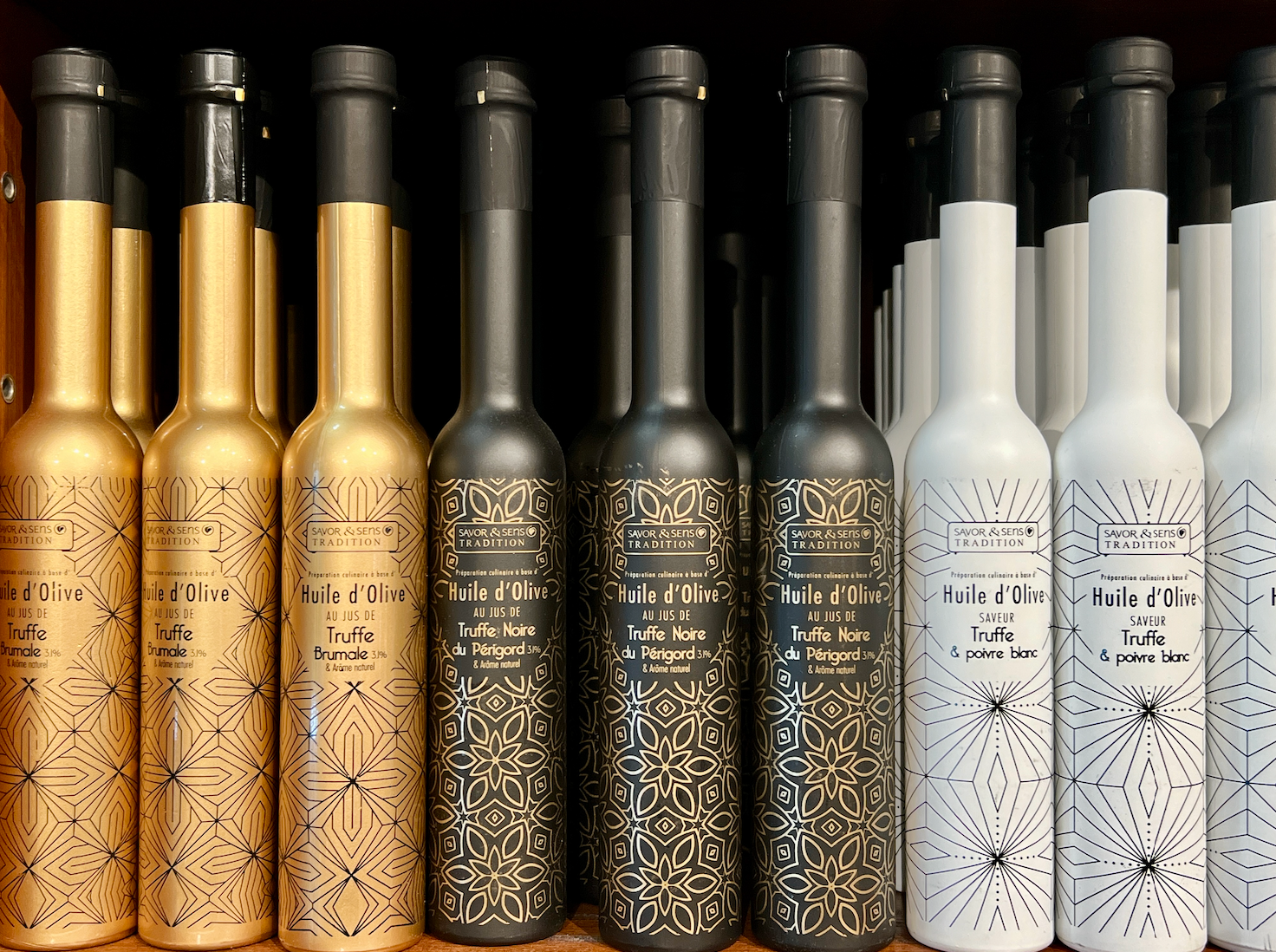
Ranging in color from green to gold, Riviera olive oil reflects sun-drenched terraces and ancient groves clinging to rocky hills above the sea. Smooth yet peppery, fresh, cold-pressed virgin olive oil captures Mediterranean light, limestone soils, and the essence of Provençal flavor. Olive cultivation here dates back to Roman times, making oil one of the region’s oldest and most essential food traditions. For an extra touch of luxe, splurge on genuine, truffle-infused olive oil!

Lavender 

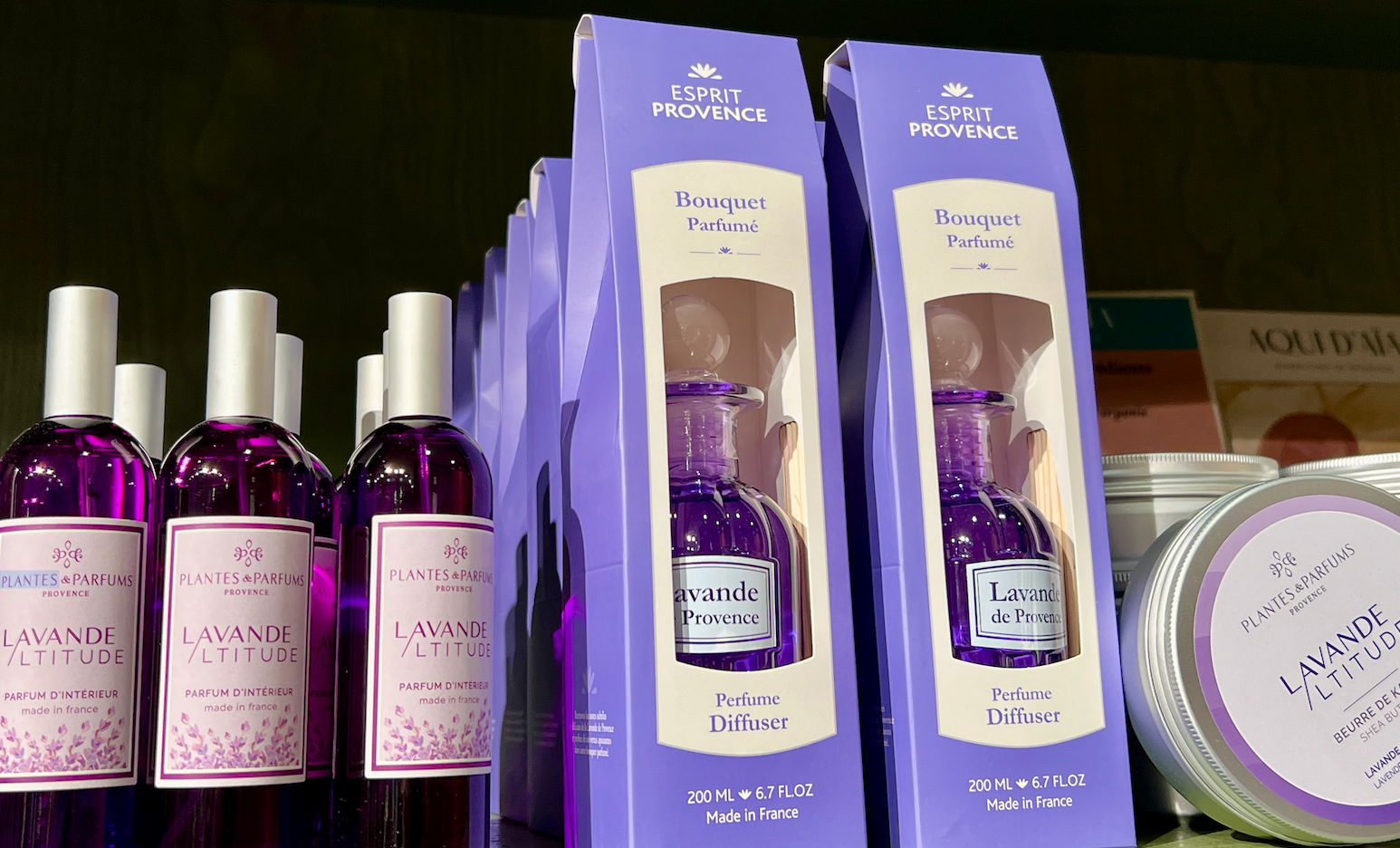
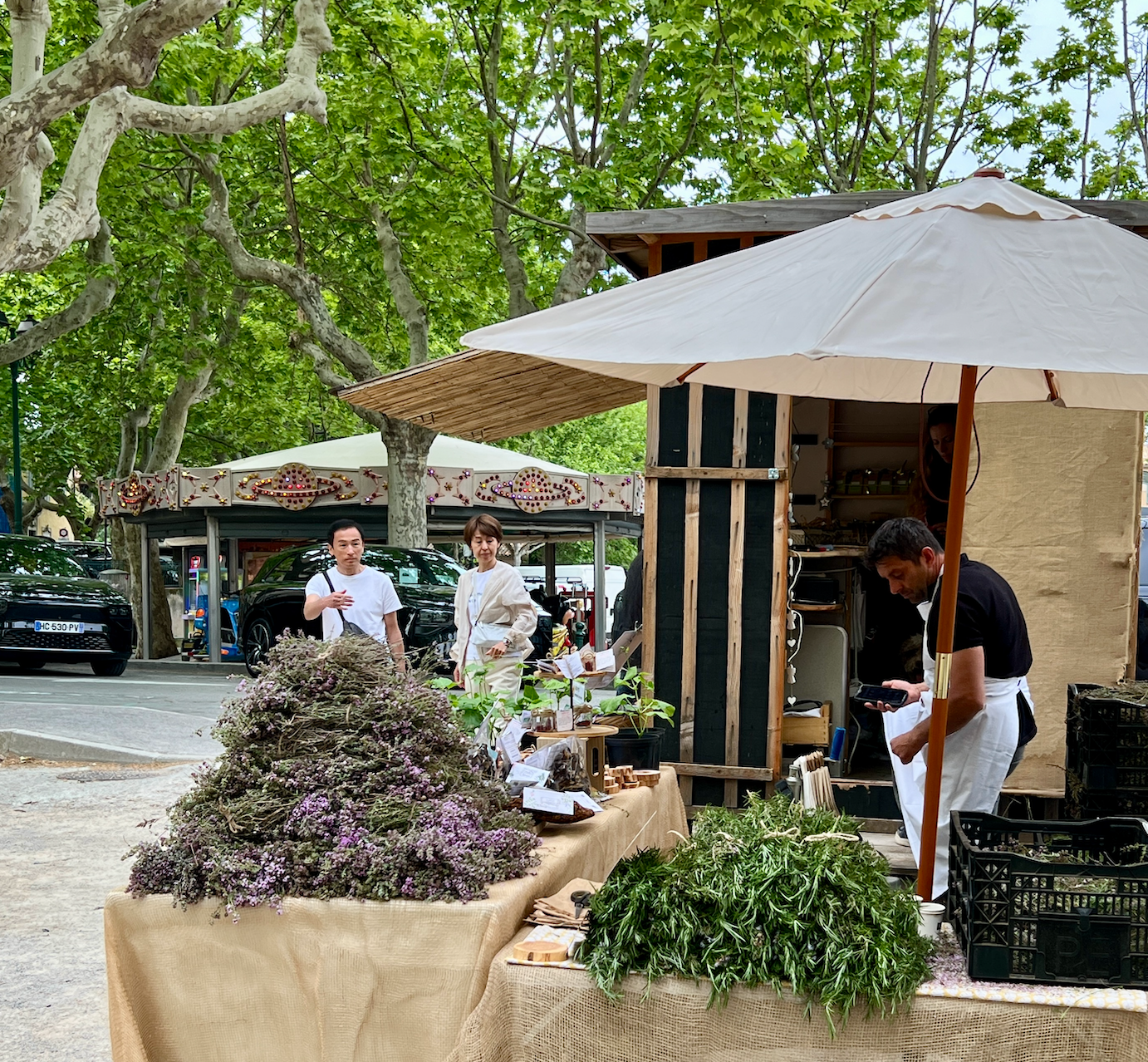
Lavender is another irrepressible visual of the South of France: pale violet fields rippling in warm summer breezes under Provencal sun. Renowned as a calming scent, lavender has been used for medicine, perfume, cuisine and more. Lavender became a symbol of Provençal life long before visitors made it an essential souvenir of any trip to the region, in the form of dried blooms, oils, drawer sachets and more.

Herbes de Provence 

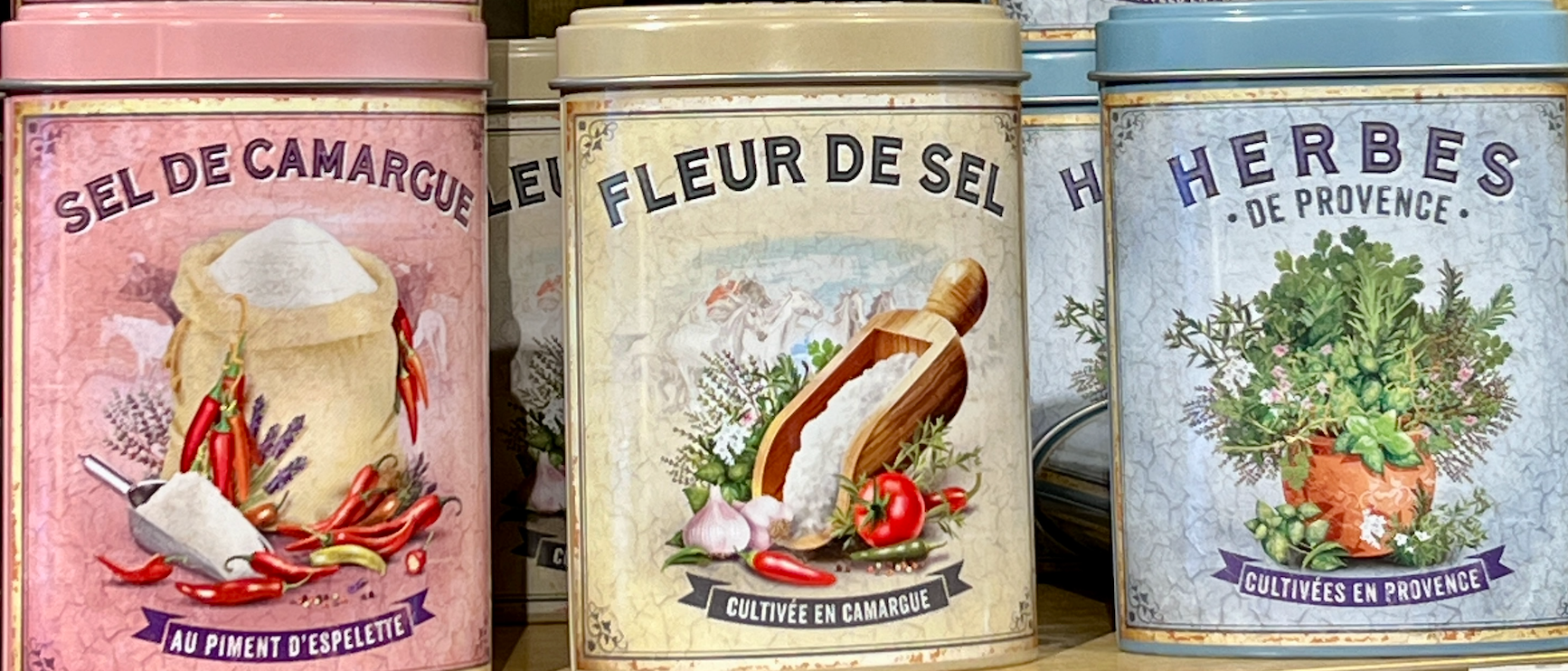
Herbes de Provence are the aromatic harvest of the Riviera’s scrubby hillsides: thyme, rosemary, oregano warmed by its endless sun, amplified by the region’s pale rocks. Originally collected from the wild, they evoke the essential flavors of Provence, and sun-dried herbs enhance mouth-watering cheeses, olive oil, fish, salads and veg. Up your grilling game with some herbes de Provence and become the envy of the neighborhood.

Herb and lavender vendor at the tres chic outdoor market in Saint-Tropez

Fleur de Sel and Sel de Camargue

Hand-harvested fleur de sel mirrors the Riviera’s intimacy with the sea. Delicate crystals form on sun-warmed salt pans, capturing mineral brightness and coastal breezes. Once more valuable than gold in antiquity, sea salt underpinned Mediterranean trade and preservation for centuries.

Sel de Camargue is an even more specialized salt from the marshes of the delta draining from the South of France into the Mediterranean Sea, a unique ecosystem inhabited by pink flamingos and wild black horses. Pink salt flats are kissed by the winds of the “Mistral” and result in a moist and mineral-rich, iconic component of Riviera cooking rooted in seafood and vegetables. 

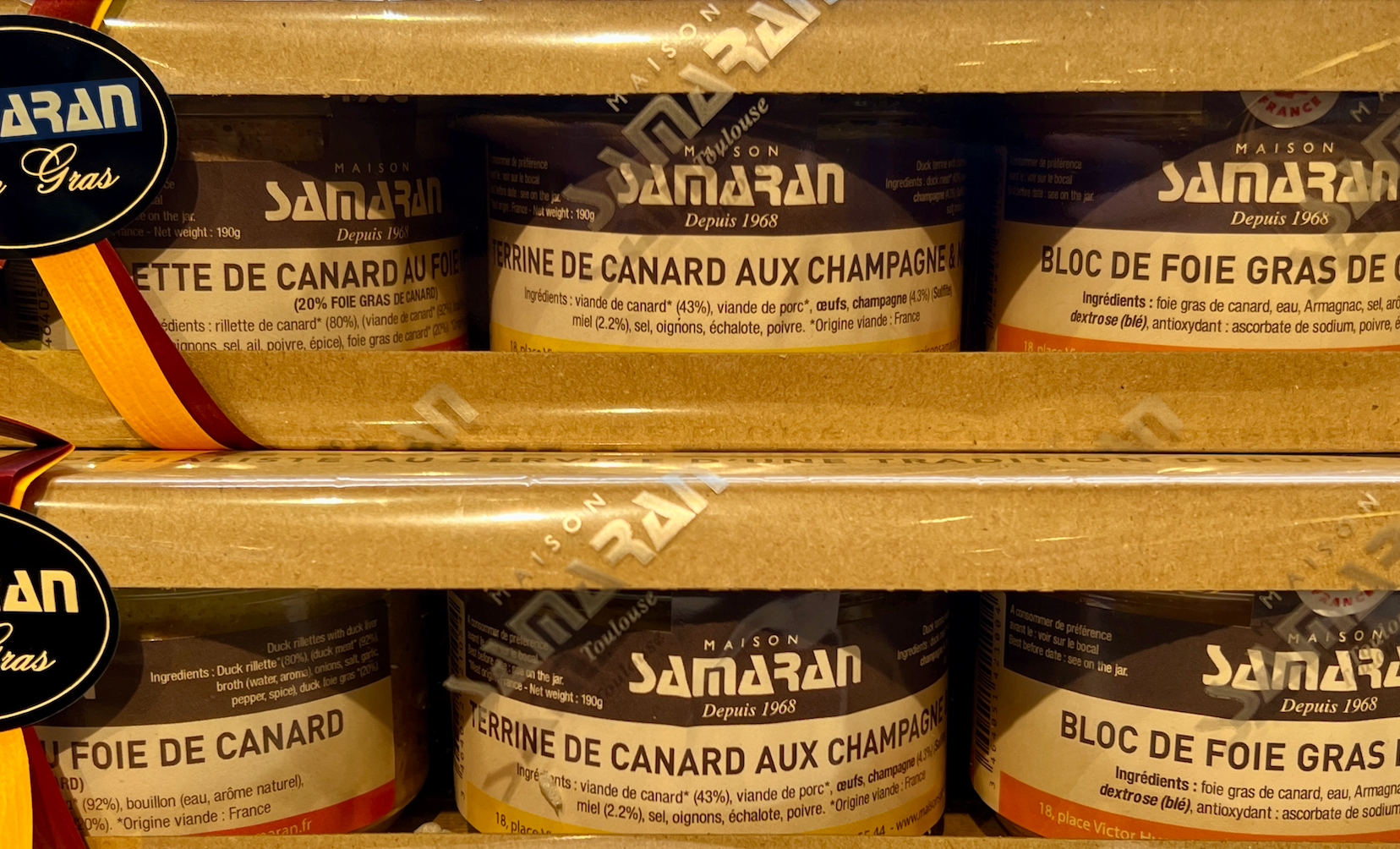
Foie Gras de Canard / Terrine de Canard 

Foie gras and duck terrines reflect the Riviera’s celebratory side—festive tables, long lunches, and aperitifs overlooking the sea. Though originating inland, these dishes became staples of French festive culture, symbolizing hospitality, abundance, and ceremonial meals you’ll want to bring home, safely canned, for your next cocktail party/ charcuterie board for that authentic flavor of France. 

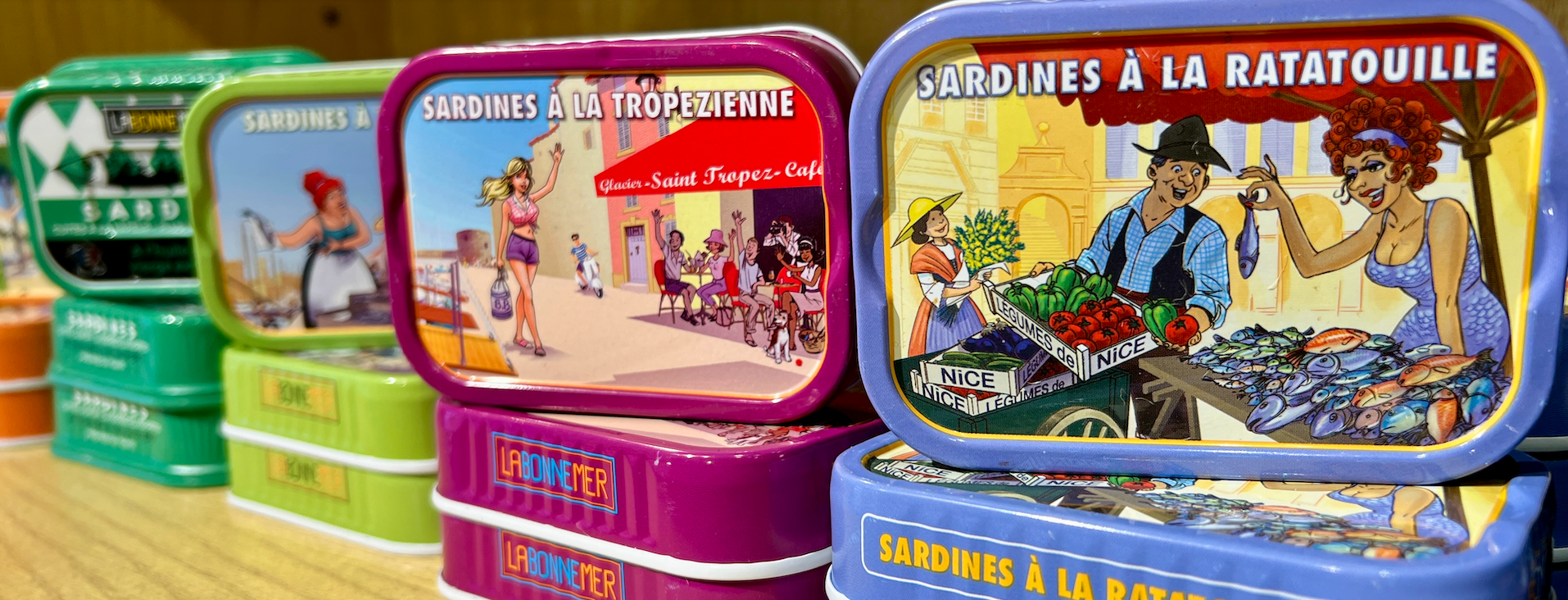
Tins of Sardines 

Sardines are the iconic dish of humble fishing villages – even now, these destinations have become magnets for travelers seeking a French Riviera lifestyle. Preserved in olive oil, sardines embody coastal thrift, nutrition, and tradition, served simply on fresh bread, sometimes with ripe tomatoes – and always wine! The 19th century brought canning, and soon after, in the French way, decorative and collectible sardine tins or ‘boites’ that often line the walls of simple seaside bars and restaurants. 

Wine 

Of France’s many diverse wine regions, Riviera wines reflect sunlit slopes above the sea, producing fresh rosés, whites, and light reds shaped by maritime breezes and rocky hillsides. Often enjoyed chilled – ideal for an afternoon on the deck of your yacht or at a seaside café, they mirror the region’s relaxed aperitif culture and seafood-forward cuisine. 

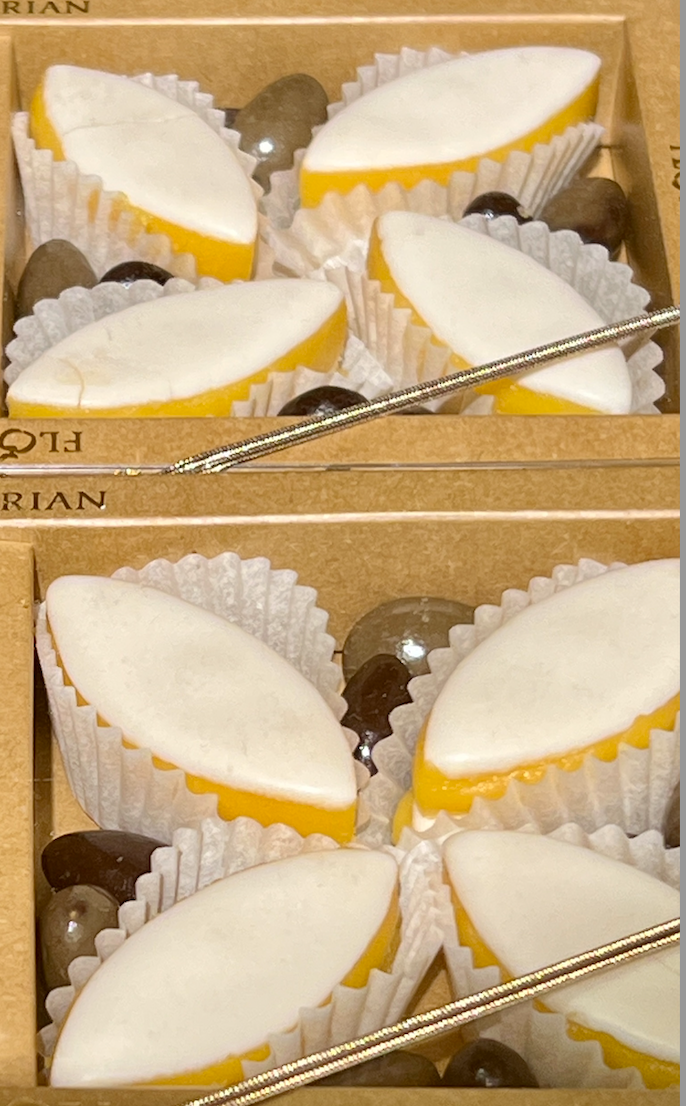
Calissons

Don’t forget to bring home the sweet side of the French Riviera! Calissons—rounded diamond-shaped sweets of almond, candied fruit, and icing—are Provence’s answer to almond paste/ marzipan, lightened and scented with summery fruits like melon. Traditionally associated with weddings and religious celebrations, calissons date back to the 15th century. Just one at the end of a meal transports you to the sunny markets of the region.

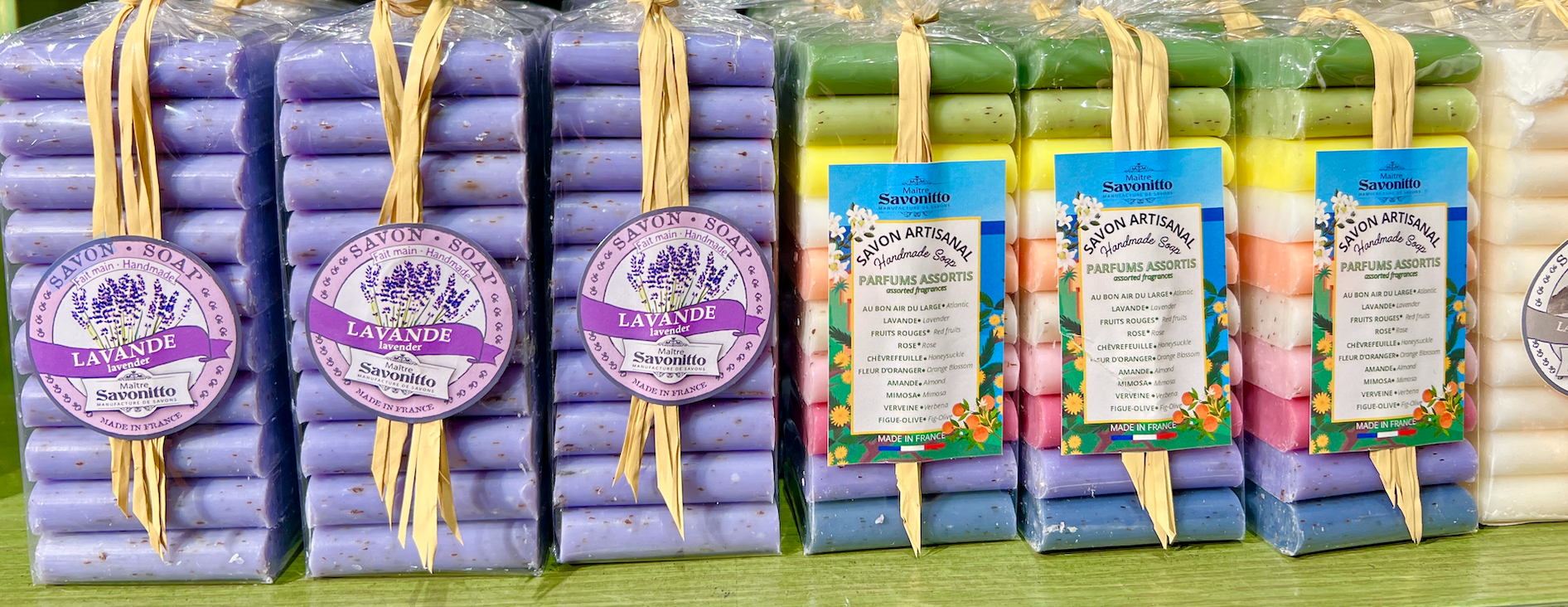
Marseille Soap

Marseille-style soap dates to the Middle Ages, when olive oil soaps became regulated and prized across Europe for their purity and delicate scents of local flowers and herbs. Now, as then, they are a refined and indulgent element to add to cleansing rituals and everyday life. 

Perfume

This souvenir is maybe the most personal and the least about sharing – well, maybe you share it by wearing it for that special someone. Perfume from Grasse, in the hills above the Riviera, is the world capital of perfume. With its origins in the 17th century, and still surrounded by fields of rose, jasmine, and orange blossoms used as precious ingredients in some of the world’s most famous and treasured scents, perfume from Grasse remains one of the most special gifts you can give yourself. You can even learn to make your own signature scent!

I even got to meet a perfume rose farmer and help with the harvest!

START YOUR TRIP!

Photos and Story: Lynn Elmhirst, cruise/ travel expert and journalist.

All rights reserved. You are welcome to share this material from this page, but it may not be copied, re-published, broadcast, rewritten or redistributed.

Recent Posts

By Garima Singh February 18, 2026
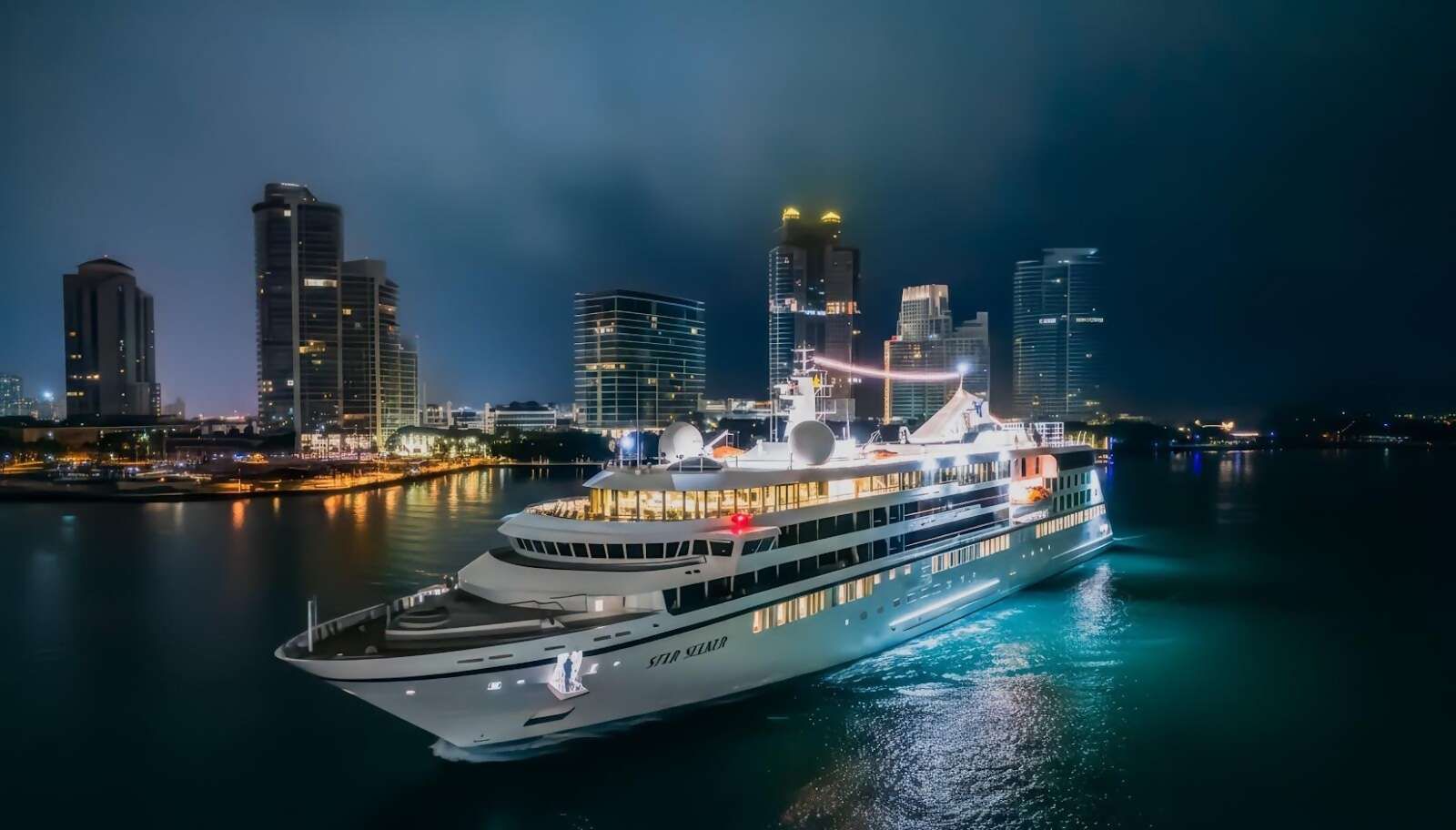
Small-ship cruise line Windstar has christened the first newbuild ship to join its fleet. Star Seeker represents a new class of ships and a new era for the small-ship cruise line, which is already looking forward to the ship’s twin, Star Explorer, to expand its fleet even more. Star Seeker’s Debut in 2026 Star Seeker is home to just 224 guests and crafted to reflect Windstar’s hallmark style—intimate, immersive, and effortlessly elegant. It features 112 beautifully appointed accommodations—most featuring private verandas or floor-to-ceiling infinity windows, including two new aft-facing Horizon Owner’s Suites with wraparound balconies. Designed for comfort and elegance, suites include walk-in mosaic glass showers, fully stocked mini-bars, and premium amenities in top-tier categories. Onboard, guests can enjoy five included dining venues, a full-service spa with a dramatic two-deck entrance, and a reimagined Marina with direct ocean access. Windstar Cruises debuted its newest all-suite yacht, Star Seeker, with a splash at its Miami Christening Event on January 15th. Following the ceremony, Star Seeker departed on an 8-night Star Seeker Christening Sailing from Miami to San Juan, with stops in the Dominican Republic and the British Virgin Islands. In 2026, Star Seeker will explore the Caribbean and Alaska before sailing to Japan and Southeast Asia, with an emphasis on immersive travel in Thailand and Vietnam. In 2027, Star Seeker will revisit Alaska — with itineraries like 7-Day Scenic Alaska and 10-Day Alaskan Splendor— and Japan with its 10-Day Grand Japan itinerary, the introduction of a new Destination Discovery Event in Tomonoura, and the addition of a brand-new Mystery Cruise. Up Next: Star Explorer Star Explorer, the sister ship to Star Seeker, debuts in December 2026, bringing Windstar’s signature small-ship style to some of Europe’s most captivating, and hard-to-reach, destinations year-round. Carrying just 224 guests, Star Explorer is designed to sail where larger ships simply can’t, gliding into river ports and city centers like London on the Thames, Bordeaux, Rouen, and Caen, while also exploring the British Isles, Ireland, the Baltics, Norway’s fjords, France, Northern Spain, and Portugal. Her itineraries are deeply immersive and port-intensive, with longer stays and overnights in destinations such as Stockholm, Tallinn, Bordeaux, San Sebastián, and Biarritz, plus Windstar firsts like Puerto Banús, the marina gateway to Marbella. On board, the atmosphere is relaxed and refined—mirroring Star Seeker—with 112 spacious suites, many with either private verandas or infinity windows, including two new Horizon Owner’s Suites, World Spa by Windstar, and Windstar favorites like Yacht Club Café, Basil + Bamboo, Amphora, and the signature Marina with complimentary watersports, open dining, and a warm, attentive crew. New Ships, New Era, Same Windstar Warmth The two new ships will bring the Windstar fleet up to 8. In addition to the new Star Seeker, Windstar Cruises operates a fleet of six intimate ships, split between three classic sailing yachts (Wind Class) and three all-suite motor yachts (Star Class). Both styles – wind or modern small-ship cruising – allow Windstar guests access to smaller ports and off-the-beaten-path cruise destinations worldwide, including the Caribbean, Tahiti, Europe and the Panama Canal. The Windstar Fleet: NEW Star Seeker Wind Class (Sailing Yachts): These are traditional sailing yachts with sails, offering a romantic maritime experience, with capacities for around 148 guests. Wind Star, Wind Spirit, Wind Surf (the largest sailing yacht in the world). Star Class (All-Suite Yachts): These power yachts feature larger suites and modern amenities, with capacities from 212 to 310 guests after renovations. Star Pride, Star Breeze, Star Legend. START YOUR TRIP! Image courtesy of Windstar Cruises All rights reserved. You are welcome to share this material from this page, but it may not be copied, re-published, broadcast, rewritten or redistributed.
By Ronelle Prickett February 17, 2026
Technology is “no longer a luxury, but the very pulse of global aviation.” Many lists have ranked airports by wait times, missing luggage, and even wellness experiences. Still, a new one evaluates the world’s airports by how they incorporate artificial intelligence, biometrics, digitalization, automation, sustainability-driven smart systems and more as core operational infrastructure – transforming and improving your journeys. The 50 Best Airports in the World for 2026 from travel trade publication Travel and Tour World traces how aviation hubs are “meeting the high-performance demands” of today’s travelers, from digital nomads to occasional travelers who expect all the efficiencies of Gen Z technology. "Crucially, sustainability is no longer a parallel initiative but a core outcome of these smart designs,” the study’s authors say, meaning we can have our cake and eat it too, when it comes to traveling more smoothly and reducing the impact on the planet. TTW used the experiences of 15 million users to define the new gold standard for technology in airports.